


E03Translation und Inclusion
Praktiken administrativer Publikumsdifferenzierung
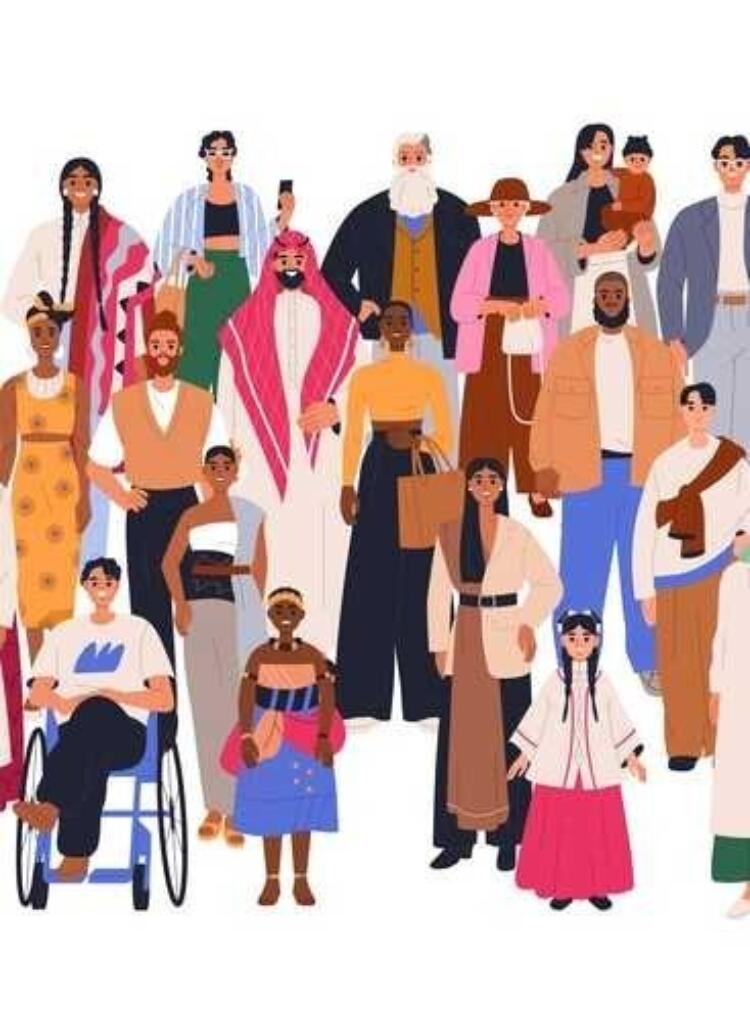
Inclusion and Human Differentiation
Inclusion is considered a central guiding principle of contemporary societies: all individuals, regardless of their affiliations, should be able to participate equally in social life. At the same time, efforts to ensure inclusion give rise to new forms of differentiation. Categories such as age, gender, ethnicity, or disability mark differences that are, in fact, meant to be overcome.
Communicative Conditions of Inclusion
This project examines how public institutions in Germany segment their audiences in order to enable communicative mobility and accessibility. Examples include texts in Easy Language for „people with cognitive impairments“, as well as the use of sign language and spoken language interpreting for „deaf individuals“ and those with „limited German proficiency“.
Translation and Multilingualism in Public Administration
These forms of mediated communication are understood as translational practices. Using qualitative methods, the project analyzes their configurations, discourses, media, and actors. It focuses on whether translation contributes to reducing cultural inequalities or whether it simultaneously produces and stabilizes new forms of difference.