


E02Differentiating Audiences
Inclusion and Exclusion through Practices of Addressing and Segregation in Contemporary Theater
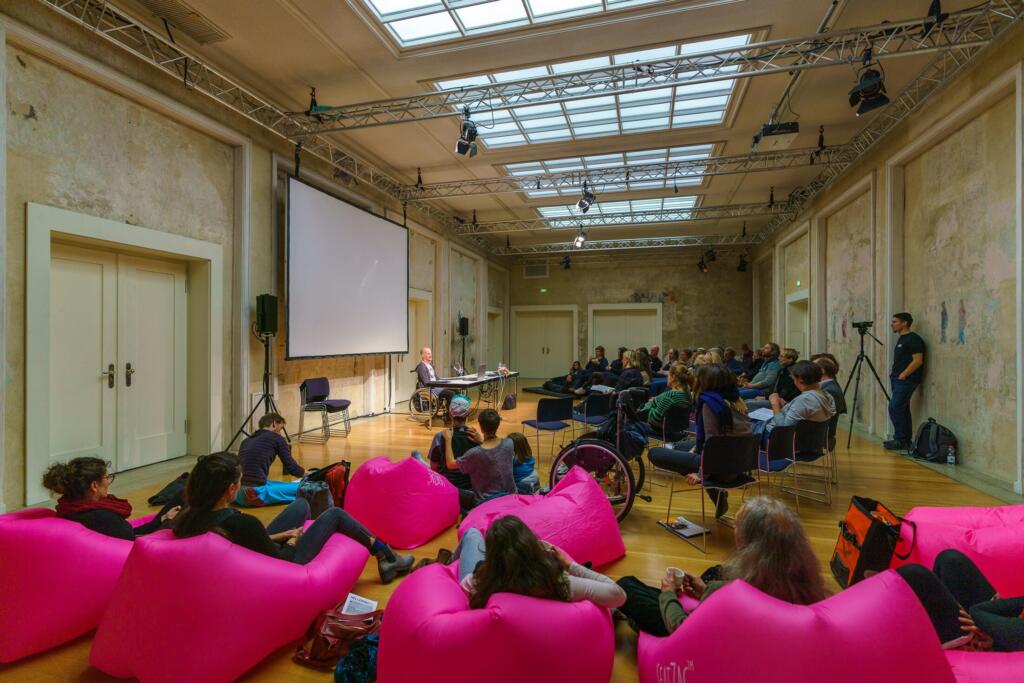
This subproject examines a cultural shift in contemporary theater regarding the differentiation of the audience. It views the theater audience as a (sub)public that is constituted through assembly. The study investigates how such assemblies are addressed, differentiated, and segregated in contemporary theater. The research examines identity-related audience outreach in public relations, dramaturgical and infrastructural measures for greater accessibility and barrier-free access, as well as debates on discrimination-sensitive communication (e.g., content notes, trigger warnings, safe spaces).
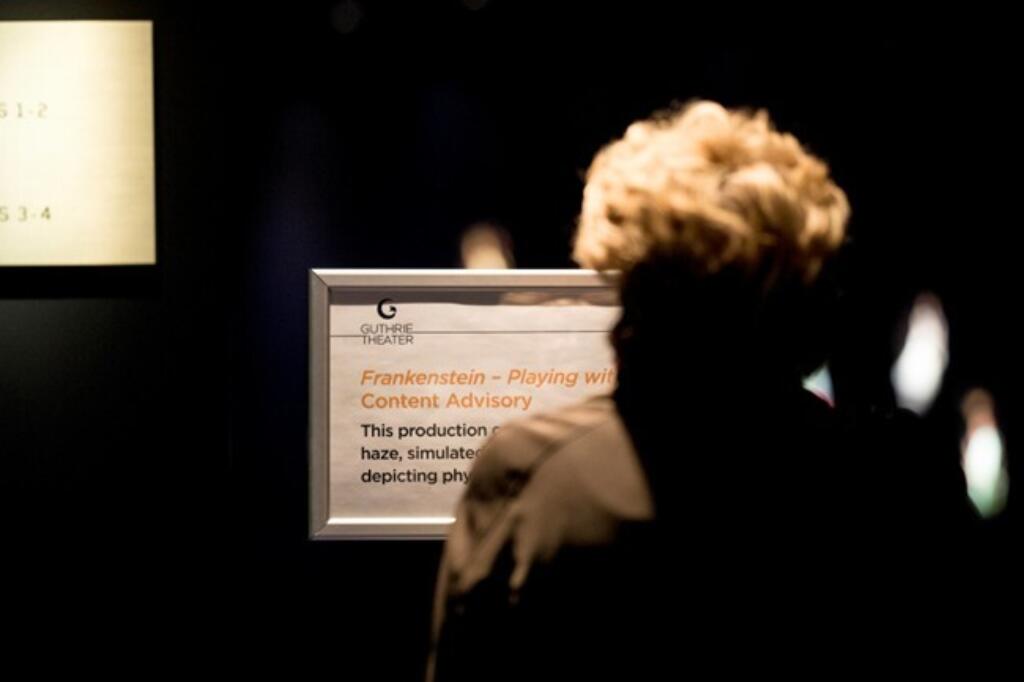


The project’s hypothesis is that, through sophisticated public relations strategies and new “dramaturgies of access,” theaters and festivals today appeal not so much to a single audience as to specifically diversified audiences. First, the project examines which communities are identified in public relations efforts and specifically targeted to attend events. Second, it investigates the constructions of inequality and equity through which audience differentiation practices operate, and the dynamics of inclusion and exclusion associated with them. And third, it explores the institutionalization and normalization of audience differentiation practices: Which established, situated practices lead to changes in digital and physical infrastructures, such as websites, auditorium renovations, or redesigns of the lobby?
Methodologically, the project employs ethnographic methods of participant observation, interviews, as well as analyses of performances, documents, and infrastructure.