

E05European refugees between South Asia, the Middle East and Europe
Self- and External Categorisations in Contested Spaces of the 20th Century
During the 1930s and the early 1940s, more than 1.5 million people fled Europe to escape persecution and World War II.
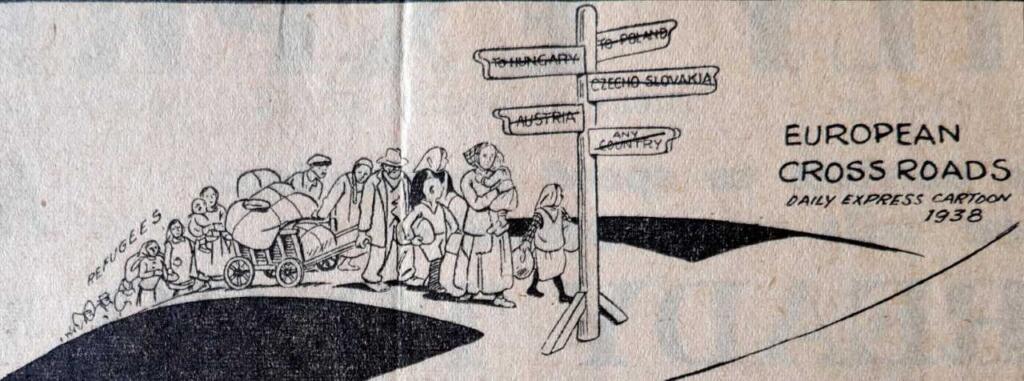
They sought protection, assistance and public recognition in a variety of locations – including territories under British colonial rule, such as the British Mandates in the Middle East and British India.
After 1947/48, some remained in the newly formed states of India, Pakistan and Israel, while others returned to Europe (particularly Britain, East and West Germany) or migrated elsewhere.
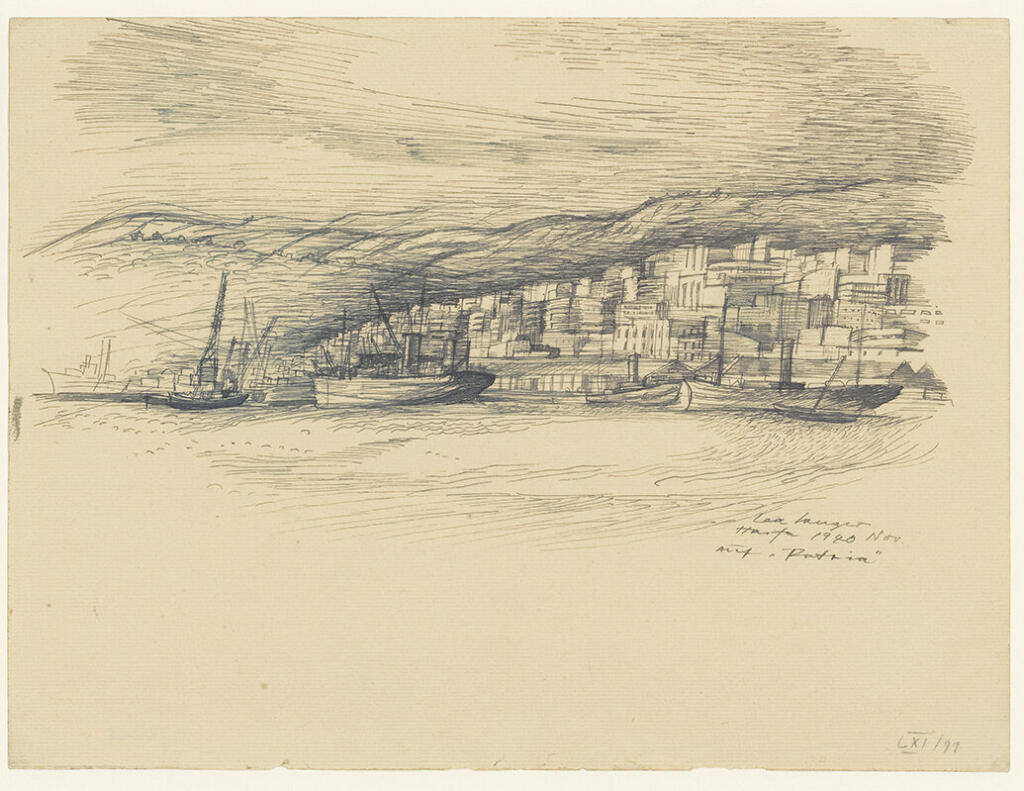
- How did individuals negotiate their status while seeking refuge in the Middle East or South Asia?
- How did European refugees position themselves vis-à-vis conflicts in the Middle East, South Asia and Europe?
- How did colonial and postcolonial contexts shape the transfer of human categories (e.g. “European refugee”, “Sh’erit ha-Pletah”, “emigrant”, “victim of fascism”)?
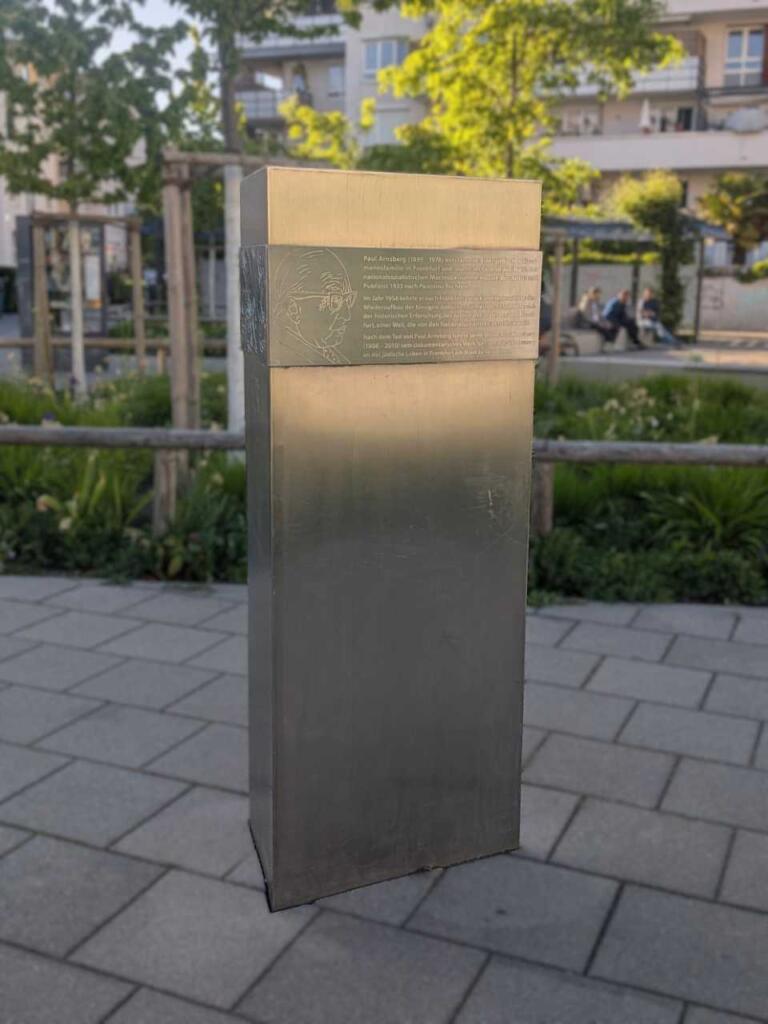
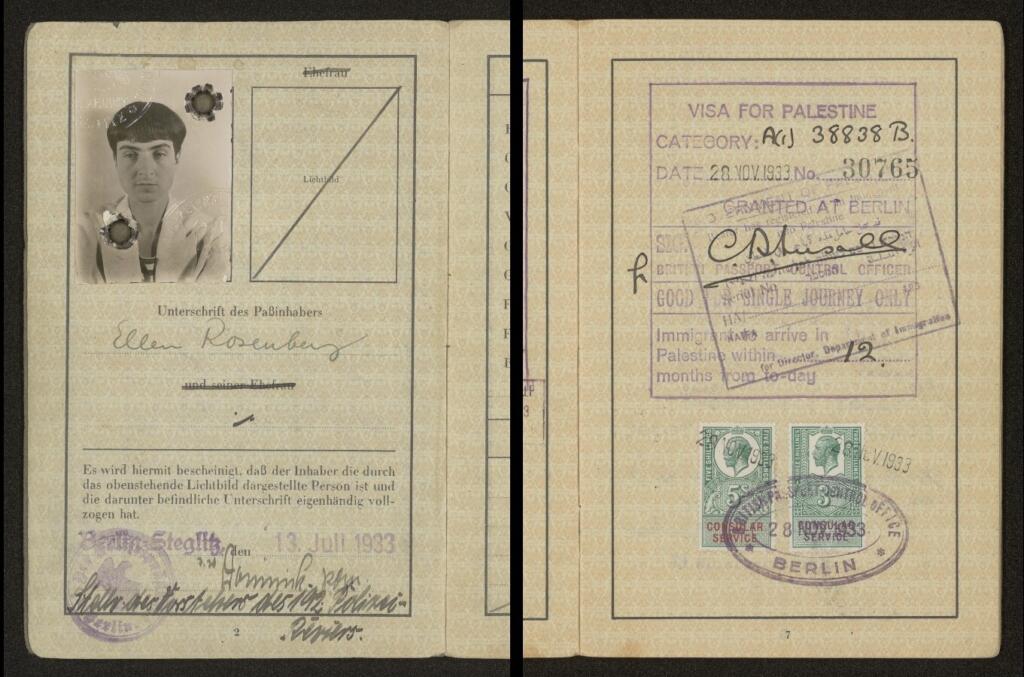
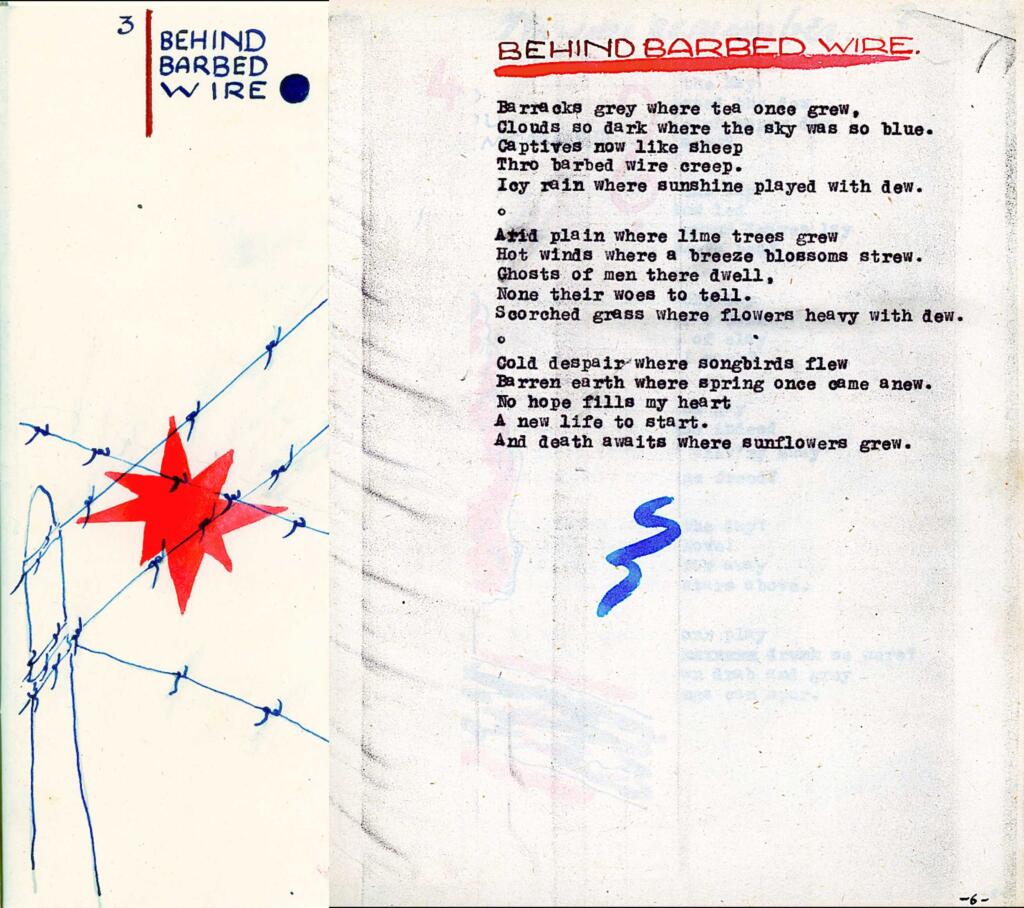
By analysing the biographies of European refugees, the project offers new insights into the contested relationship between the Nazi regime in occupied Europe and colonial rule in South Asia and the Middle East. It highlights the diverse forms of agency exercised by individuals who were forcibly mobile within shifting colonial and postcolonial contexts. Beyond tracing the global transfer of categories used to differentiate people, we examine local specificities in the categorisation of individuals amid religious and economic conflicts surrounding the partition and redistribution of land, movable property and populations. In doing so, this research contributes to a European social history “from below”.