


F02Intertwined Human Differentiation
European-African constructions of the human category “Pygmy”
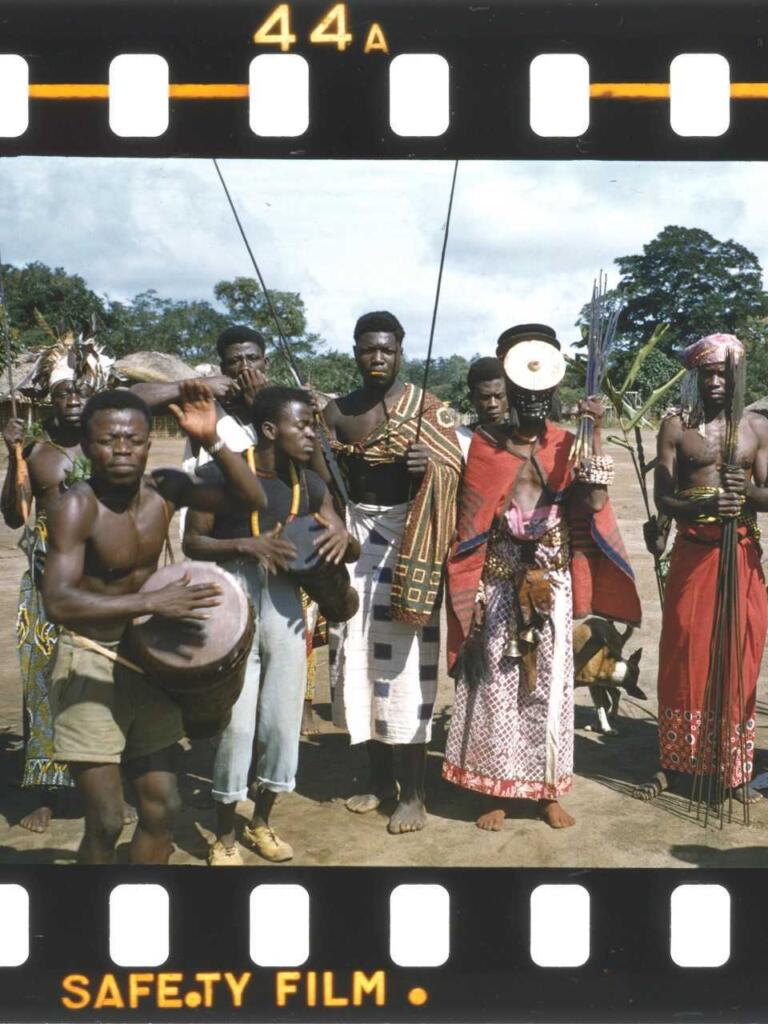
This subproject addresses human differentiation between Europe and Africa. It examines the construction of the human category “Pygmy” by European differentiation entrepreneurs from the fields of anthropology, genetics, ethnology, and linguistics since the end of the 19th century, as well as its intertwining with African categorization practices that serve to distinguish “pure” humans (Baoto) from a human category considered “impure” (Batwa). While the European version of the category was shaped by the biological dimension of race, the African version is based on an amalgam of cosmological and social ideas. The overarching goal is to explore the (de)institutionalization processes of the intertwined human category “Pygmy-Twa” within science, politics, and social and verbal everyday practice.
Key questions
In relation to the history of science, we examine the invention of the controversial human category 'Pygmy' and the central epistemic motives within the interdisciplinary field of research surrounding this category. We also analyse the political actions of state and non-state actors to understand the historical and recent institutionalisation and de-institutionalisation of this category. Finally, we explore social and verbal practices of un/doing difference in everyday life, asking how interactions between the Batwa and the Baoto, previously regulated by segregation and contact restrictions, are shaped today.
Research Strategy
Our research involves conducting archival work and analysing historical images and texts, as well as carrying out ethnographic fieldwork in the Democratic Republic of Congo. This ethnographic research involves a contrastive analysis of urban environments in Kinshasa and rural environments in the Mai-Ndombe province.